
 By
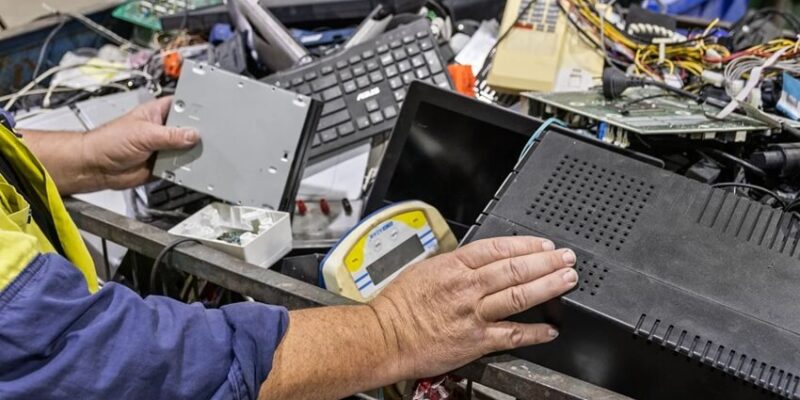
Most businesses accumulate electronics faster than they realize. That drawer full of old phones, the closet packed with outdated monitors, the boxes of cables nobody’s touched in years—it all adds up. When it’s time to upgrade or clear out space, the question becomes: what happens to all that equipment?
The answer matters more than most people think. Business electronics contain valuable materials that can be recovered and reused, along with hazardous components that shouldn’t end up in landfills. The good news is that proper recycling creates real, measurable benefits for both businesses and the environment.
The Materials Worth Recovering
Electronics aren’t just plastic shells and circuit boards. They contain precious metals, rare earth elements, and other materials that took significant resources to extract and process in the first place. Gold, silver, copper, and palladium all show up in various components, often in higher concentrations than you’d find in natural ore.
A single ton of circuit boards can contain more gold than a ton of gold ore. Laptop batteries hold cobalt and lithium—materials that are increasingly valuable as demand for rechargeable batteries grows. Even the plastics in device casings can be sorted, cleaned, and turned into new products.
When these materials get recycled instead of landfilled, mining companies don’t need to extract as much raw material from the earth. That means less habitat destruction, lower energy consumption, and reduced water usage. The environmental math works out clearly in favor of recycling, especially when you’re dealing with business quantities of equipment.
Getting Started With Proper Disposal
The biggest barrier for most businesses isn’t willingness—it’s knowing where to start. Electronics recycling isn’t as straightforward as tossing cardboard in a blue bin. Different devices require different handling, and data security adds another layer of complexity.
For businesses looking to dispose of old equipment responsibly, specialized services handle the entire process from pickup to processing. Companies focused on e-waste recycling typically manage everything from secure data destruction to material recovery, which removes the guesswork and liability concerns that come with handling it internally.
The process usually starts with an assessment of what equipment needs to go. Monitors, computers, printers, phones, and peripherals all qualify. Even the small stuff counts—old keyboards, mice, charging cables, and power adapters contain recoverable materials. Once collected, certified recyclers sort everything by material type and send components to appropriate facilities for processing.
The Data Security Advantage
Here’s something that keeps business owners up at night: old devices often contain sensitive information. Customer records, financial data, employee information, and proprietary business details don’t just disappear when a computer gets unplugged. Simply deleting files or reformatting drives doesn’t actually remove the data—it just makes it slightly harder to access.
Professional e-waste recyclers understand this risk and build data destruction into their process. Hard drives get physically shredded or degaussed (magnetically wiped), making data recovery impossible. Some services provide certificates of destruction for compliance purposes, which matters when regulations require documented proof of proper disposal.
This protection extends beyond computers. Printers store document caches, photocopiers keep hard drives full of scanned images, and even some phones retain information after factory resets. Proper recycling addresses all these potential security gaps in ways that general waste disposal simply can’t.
The Business Case Beyond Environmental Benefits
Clearing out old equipment does more than help the planet—it creates tangible business advantages. Storage space costs money, whether it’s a closet in a small office or a warehouse bay in a larger facility. Equipment sitting unused represents capital that could be recovered (some recyclers offer payment for bulk electronics) or at least freed up as usable space.
There’s also the liability angle. Old equipment can pose fire risks from degrading batteries or faulty wiring. Storing devices with sensitive data creates ongoing security exposure. Insurance companies increasingly ask about data disposal practices, and proper documentation of e-waste recycling can support risk management protocols.
For businesses subject to environmental regulations or sustainability reporting requirements, certified recycling provides documentation that demonstrates compliance. Many industries now face pressure from customers, investors, or regulatory bodies to show environmental responsibility, and proper e-waste disposal creates a paper trail that backs up those claims.
What Actually Happens During Recycling
Understanding the recycling process helps explain why it matters. After collection and data destruction, devices get dismantled. Workers remove batteries, separate plastic casings from metal components, and extract circuit boards. Each material stream goes to specialized processors.
Precious metals get recovered through chemical processes or smelting. Plastics are sorted by type, shredded, and prepared for remanufacturing. Rare earth elements from hard drives and other components get extracted for reuse. Even glass from monitors gets recycled into new products.
The materials that can’t be recovered get disposed of properly at licensed facilities, which prevents toxic substances from leaching into soil or groundwater. Lead, mercury, cadmium, and other hazardous materials in electronics require careful handling—something standard waste systems aren’t equipped to manage.
Making It Part of Regular Operations
The most successful approach to business e-waste doesn’t involve waiting until storage becomes a problem. Setting up a regular disposal schedule—quarterly or annually, depending on business size—prevents accumulation and makes the process routine rather than overwhelming.
Designating a specific area for equipment awaiting disposal helps track what needs to go. Training employees to recognize e-waste (yes, that box of old cables counts) ensures nothing gets missed. Some businesses find that timing recycling with office moves or major upgrades makes the most sense, while others prefer consistent intervals regardless of other activities.
The key is making it easy enough that it actually happens. When proper disposal requires too many steps or approvals, old equipment tends to sit indefinitely. Establishing relationships with reliable recycling services and building the process into standard operations turns good intentions into consistent action.
The Difference It Actually Makes
Every business recycling its electronics might seem insignificant in the grand scheme of global waste management, but the cumulative effect matters. Millions of tons of e-waste get generated annually, and business equipment represents a substantial portion of that total. When companies prioritize proper recycling, they contribute to a circular economy where materials get reused instead of constantly extracting new resources.
Beyond environmental impact, businesses that handle e-waste responsibly set an example for employees and demonstrate values that increasingly matter to customers and partners. It’s one of those areas where doing the right thing also happens to be the practical thing—protecting data, freeing up space, managing liability, and supporting resource conservation all at once.
Old business tech doesn’t have to become a storage problem or an environmental burden. With the right approach, it becomes an opportunity to recover value, protect information, and contribute to systems that keep useful materials in circulation. That’s a difference worth making.






Comments